November 5, 2026
Creating a comfortable outdoor living area can help homeowners enjoy fresh air, natural light, and time with family without leaving home. A screened in patio offers a way to experience the outdoors while adding a barrier against many common nuisances, including insects and blowing debris. However, this type of addition may not suit every property, budget, or lifestyle. Understanding its benefits, limitations, and design considerations can help you decide whether it is the right improvement for your home.
Understanding the Benefits of a Screened in Patio
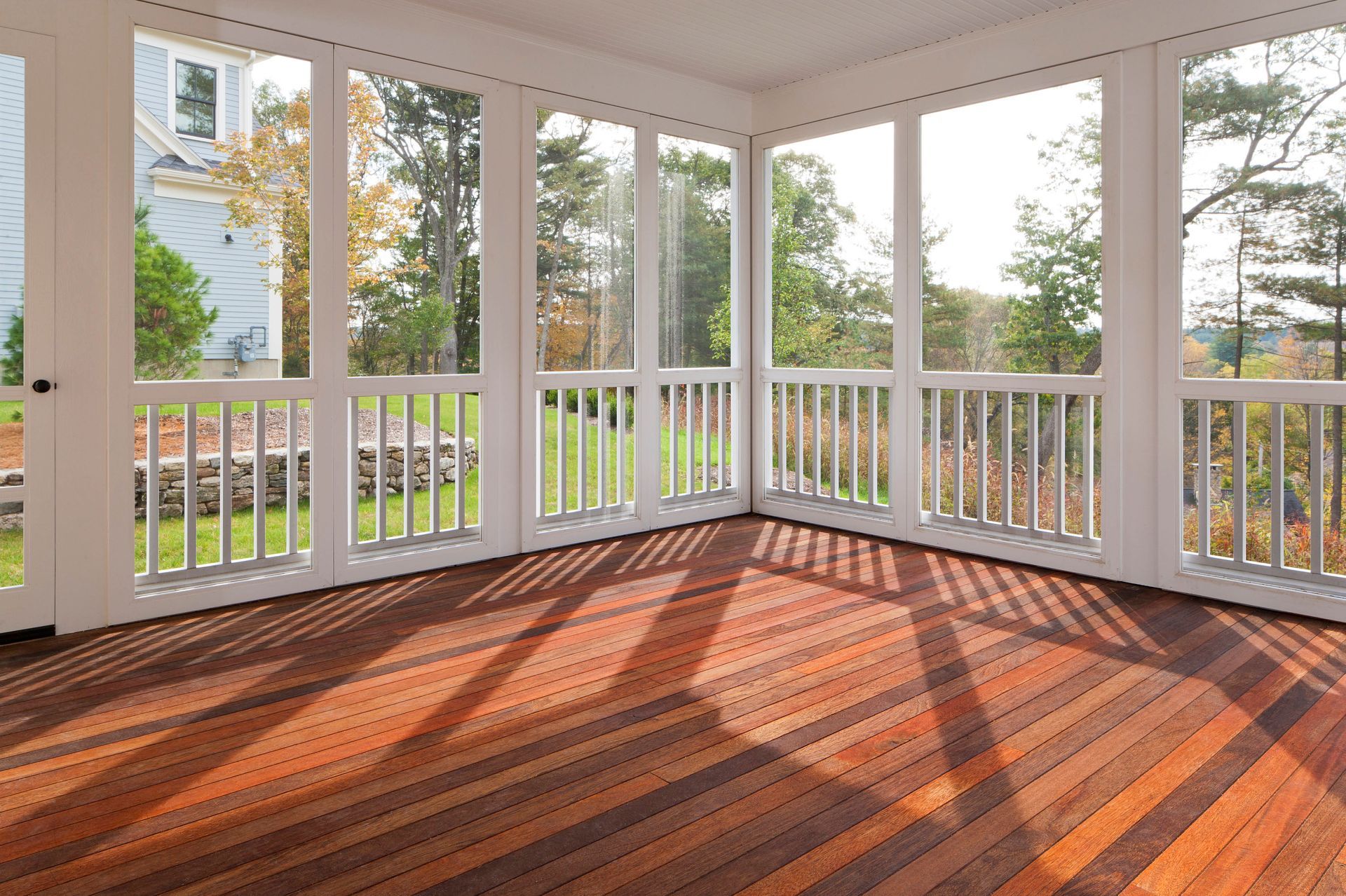
One of the biggest advantages of a screened patio is the ability to enjoy the outdoor surroundings with fewer interruptions. Screens create a barrier against mosquitoes, flies, and other insects, making the space more comfortable for meals, conversations, and relaxation. They can also help keep some leaves and windblown debris away from outdoor furniture.
A screened area can provide a welcome middle ground between an open patio and a fully enclosed sunroom. Homeowners can enjoy breezes and outdoor views without feeling completely exposed to the elements. Depending on the design, the space may become a favorite spot for morning coffee, reading, family gatherings, or quiet evenings outside.
A well-planned addition can also extend the usable living area of a home. Instead of limiting outdoor activities to favorable conditions, homeowners gain a designated place to unwind or entertain. The benefits depend on the local climate, screen design, and how frequently the household expects to use the space.
Evaluating Your Outdoor Living Needs
Before committing to a project, consider how you currently use your patio or backyard. If insects often interrupt outdoor meals or you avoid sitting outside because of bugs, a screened in patio may solve a recurring problem. Families with children may appreciate a designated play area, while homeowners who enjoy entertaining can create a more comfortable setting for guests.
Think about the activities you want the space to support. Dining areas need room for a table and chairs, while lounging areas may benefit from comfortable seating and side tables. If you plan to use your screened in patio for several purposes, leave enough room for people to move around without crowding furniture.
Your expectations for weather protection also matter. Screens do not provide the same protection as solid walls, insulated windows, or a fully enclosed room. Rain may still enter through screened openings, and strong winds can affect comfort. If you want a space that remains usable during colder months, you may need to consider a different design or additional features.
Comparing Screened Patios With Other Options
A screened patio is not the only way to improve an outdoor living area. Comparing the available options can help you choose a solution that matches your priorities.
- Open patio: An open patio offers direct access to fresh air and sunlight, but it provides little protection against insects and windblown debris.
- Screened patio: Screening helps keep many insects out while preserving airflow and outdoor views. However, it offers limited protection against rain, cold temperatures, and humidity.
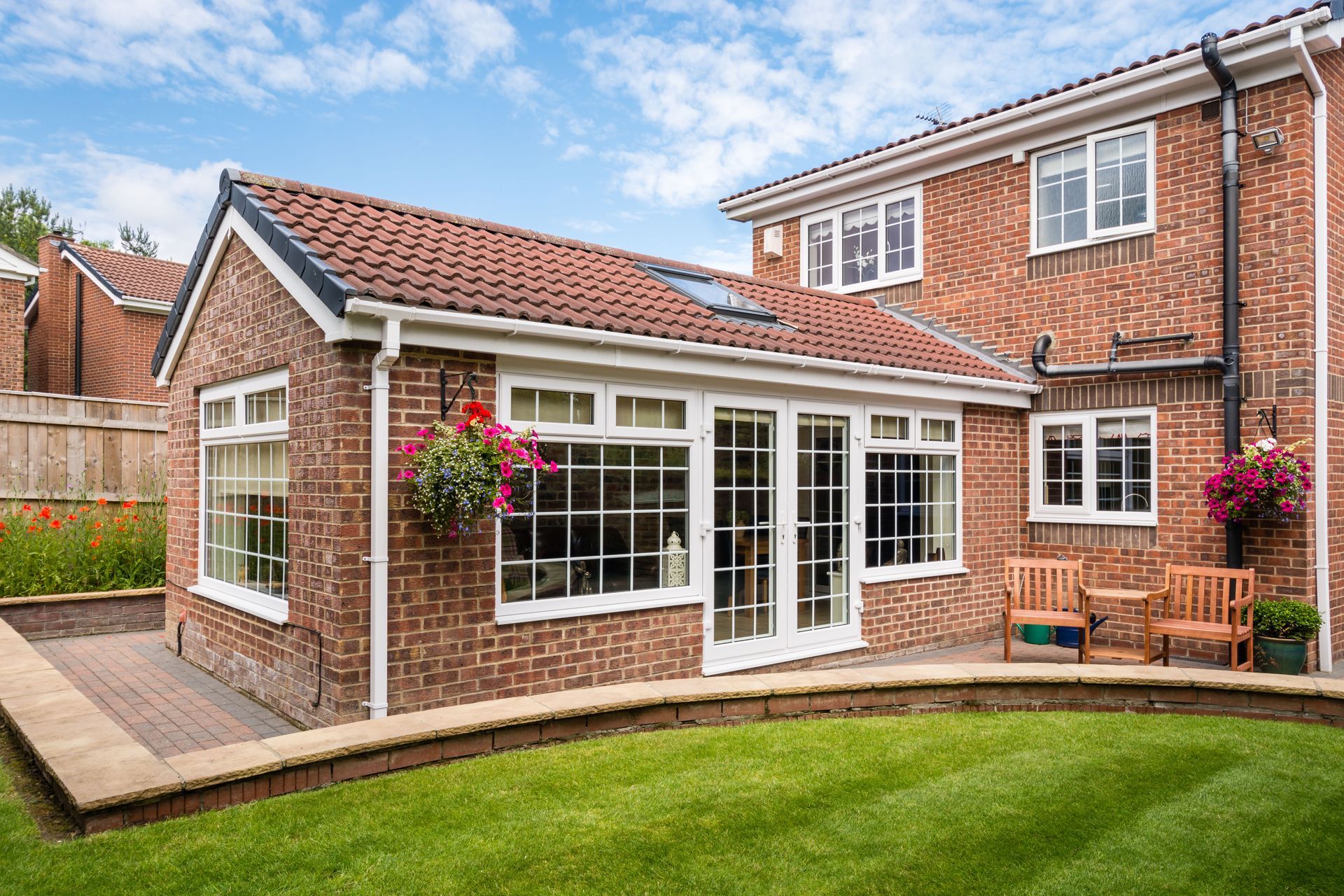
- Enclosed sunroom: A sunroom may provide greater weather protection and more opportunities for year-round use, depending on its construction, windows, insulation, and climate-control features.
The right choice depends on how much protection you want and how you plan to use the space. If you primarily want to enjoy mild weather without constant insect interruptions, screening may be sufficient. If year-round comfort is a priority, an enclosed addition may better meet your needs.
Planning for Budget and Long-Term Costs
The budget is an important factor in deciding whether to add a screened in patio. Costs vary based on the project's size, existing patio conditions, structural requirements, roofing, screening materials, flooring, and any additional features. Site preparation or modifications to the house may also affect the total investment.
Beyond initial construction, consider ongoing maintenance. Screens may need occasional cleaning or replacement if they become torn or damaged. Frames, fasteners, roof components, and drainage areas should also be checked periodically to help preserve the structure's condition.
It is wise to leave room in your budget for unexpected expenses. According to Bankrate, homeowners should reserve 10% to 20% of their renovation budget for unforeseen costs that may arise during a project. This contingency can help cover issues such as hidden damage, necessary structural adjustments, or material changes without putting the entire project at risk.
Requesting a detailed estimate can clarify what the project includes. Confirm which materials, labor, permit, and finishing details are covered, and ask whether any additional work may be necessary. Comparing estimates based on the same scope of work makes it easier to evaluate value rather than choosing solely on price.
Assessing Your Home's Layout and Conditions
Your home's existing layout can influence whether a screened in patio is practical. A patio connected directly to a kitchen, dining room, or living room may provide convenient access for meals and gatherings. The location should also allow people to move safely between indoor and outdoor areas.
Consider sunlight, prevailing winds, drainage, and privacy. A patio that receives intense afternoon sun may become uncomfortable without adequate shade, while a poorly drained area may accumulate water after heavy rain. Nearby trees can provide shade, but may increase the amount of leaves and other debris that collect around the enclosure.
Structural conditions warrant attention, particularly when the project is attached to the existing house or requires a new roof. Building codes, zoning rules, and permit requirements vary by location, so verify the applicable regulations before construction begins. A professional assessment can help identify practical limitations and clarify which design options suit the property.
Choosing Features for Greater Comfort
The right features can make a screened in patio more functional and enjoyable. Start with the essentials, then consider optional additions based on your budget and intended use.
Useful design considerations include:
- Comfortable flooring: Choose a surface suited to outdoor conditions and regular foot traffic.
- Appropriate lighting: Add lighting for evening meals, reading, or entertaining after sunset.
- Convenient furnishings: Select durable furniture that fits the available space without obstructing walkways.
- Ceiling fans: Where suitable, fans can improve airflow and make warm weather more comfortable.
- Accessible entrances: Well-positioned doors can make it easier to move between the patio, yard, and house.
The goal is to balance comfort with practical maintenance. Durable materials, a thoughtful layout, and appropriate drainage can help the space remain attractive and useful over time. Avoid adding features that increase costs without supporting how you actually intend to use the patio.
Deciding Whether a Screened Patio Suits Your Lifestyle
A screened in patio may be a strong fit if you enjoy spending time outdoors but want fewer insects, a more defined gathering area, and a comfortable connection to your backyard. It can be particularly appealing for households that regularly eat outside, entertain guests, or relax in the fresh air during warmer months.
However, it may not be the best solution if you expect complete protection from rain, cold weather, or changing temperatures. In those cases, a sunroom or another enclosed structure may be worth exploring. Comparing your needs, property conditions, and available budget will help you choose an addition that offers practical value.
A successful project begins with realistic expectations and careful planning. By considering how you will use the space, which features matter most, and what ongoing care may be required, you can make a more confident decision about improving your home.
To explore outdoor living options and find a design that complements your home, contact The Plantation Room Company to discuss your project.