November 4, 2026
Homeowners are continually looking for ways to make their living spaces more comfortable, functional, and enjoyable. Sunroom additions offer a way to bring natural light indoors while creating a versatile area for relaxation, entertaining, or everyday activities. By connecting indoor comfort with views of the outdoors, these spaces can enhance how homeowners experience their properties throughout the year. Their flexibility and visual appeal help explain why they remain a popular home improvement option.
Enjoying More Natural Light Throughout the Day
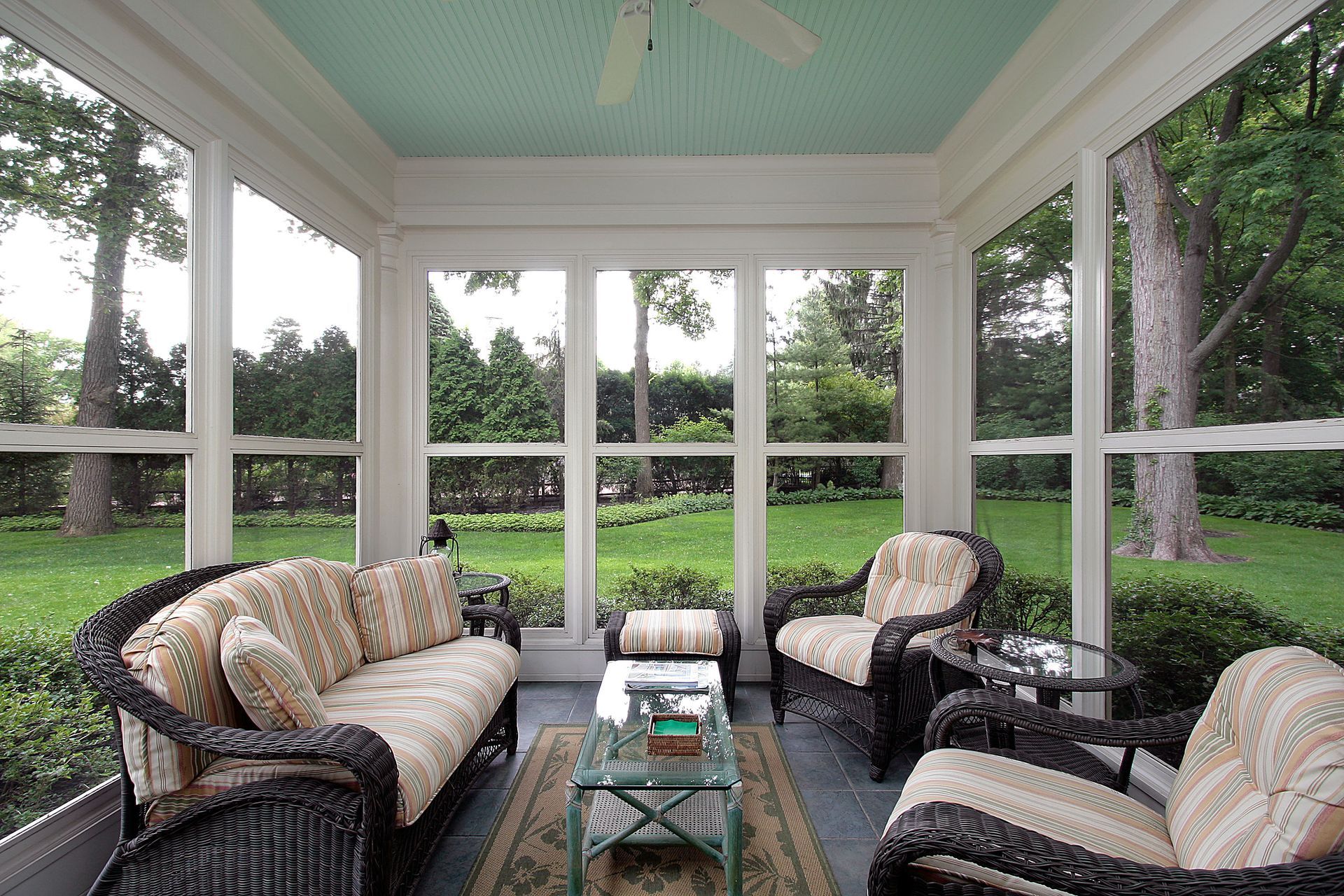
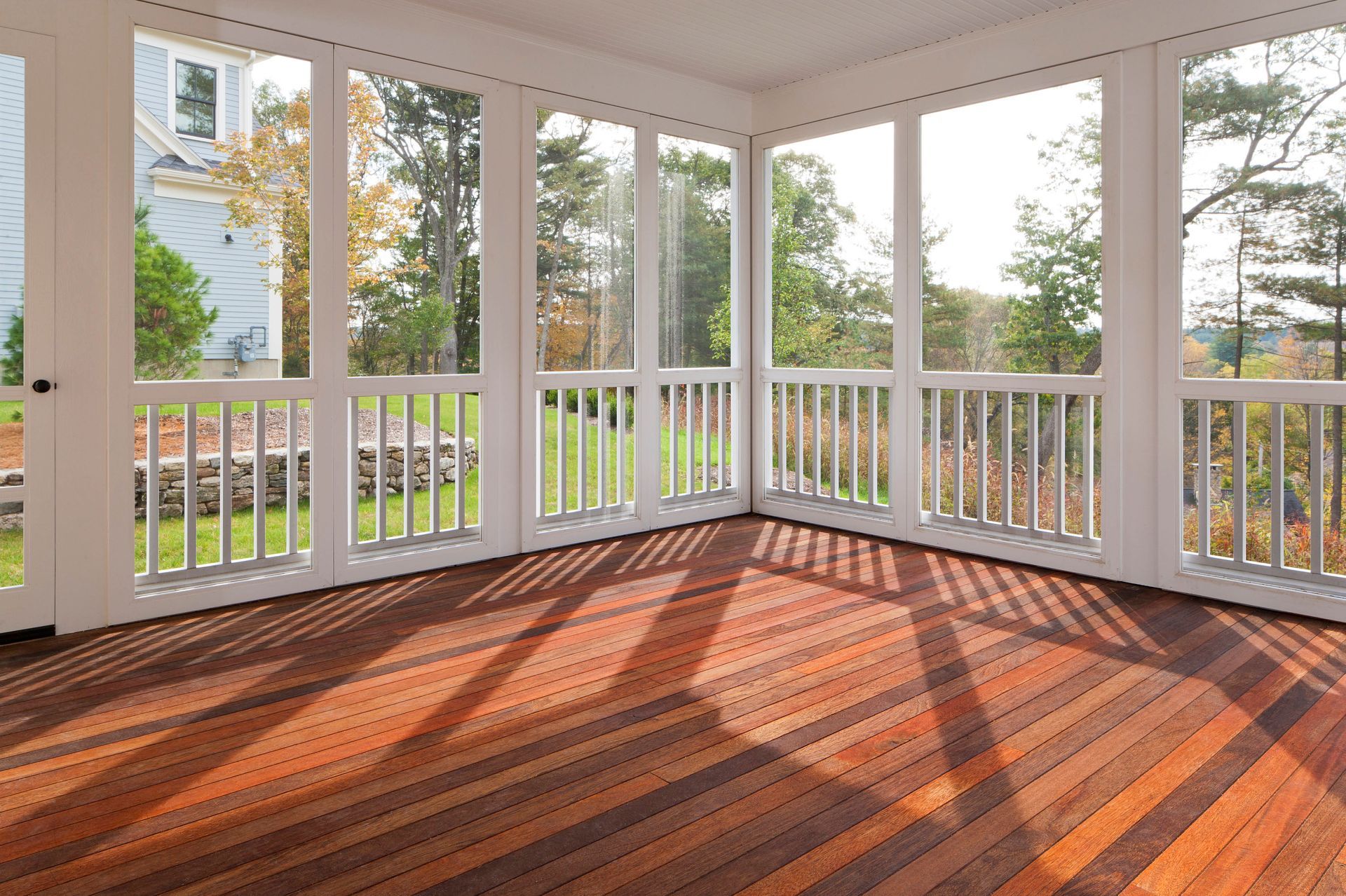
One of the biggest attractions of a sunroom is the amount of natural light it brings into a home. Large windows and glass panels allow sunlight to fill the space, creating a bright, welcoming atmosphere. Compared with traditional rooms that rely heavily on artificial lighting, a well-designed sunroom can feel more open and connected to the surrounding landscape.
Natural light can also influence how homeowners use a space. A bright room may become a favorite place to read, enjoy morning coffee, work on hobbies, or spend time with family. Views of gardens, trees, and seasonal changes provide an additional connection to the outdoors without requiring homeowners to leave the comfort of their homes.
The design of the room plays an important role in balancing sunlight with comfort. Window placement, glass selection, shading, and ventilation can all affect how the space feels throughout the day. Thoughtful planning helps homeowners enjoy the benefits of natural light while reducing glare and excessive heat.
Creating Flexible Spaces for Everyday Living
Another reason sunrooms are appealing is their versatility. Unlike rooms designed for one specific purpose, a sunroom can adapt to changing household needs. Homeowners can furnish the space according to their routines, preferences, and available square footage.
Popular uses for sunroom additions include:
- Relaxation Areas: Comfortable chairs and soft lighting create a peaceful place to unwind.
- Dining Spaces: A table near large windows can provide an inviting setting for casual meals.
- Home Offices: Natural light and outdoor views can make a dedicated workspace feel more pleasant.
- Hobby Rooms: The additional space can accommodate reading, crafts, painting, or other activities.
- Entertainment Areas: Seating arrangements can make the room suitable for conversations and small gatherings.
Sunroom additions can also help households make better use of areas that might otherwise be underutilized. For families who need more room but do not want to undertake a full-scale home expansion, a sunroom may offer a practical way to create additional usable space.
Before deciding on a layout, homeowners should consider how they expect to use the room most often. Furniture, electrical outlets, storage, and access to adjoining rooms should all support the intended purpose.
Connecting Indoor Comfort With Outdoor Views
Many homeowners appreciate spending time outdoors but prefer protection from wind, rain, insects, and changing temperatures. A sunroom creates a middle ground by allowing people to enjoy natural scenery from an enclosed environment.
Large windows provide views of gardens, lawns, trees, and other landscape features throughout the seasons. Homeowners can watch rainfall, enjoy autumn colors, or take in a snowy landscape without being exposed to the elements. This connection to nature can make everyday activities feel more relaxing and enjoyable.
The room's orientation and surroundings influence the experience. A sunroom facing a garden may create a quiet retreat, while one overlooking a backyard patio can provide a convenient place to observe outdoor gatherings. Landscaping and window placement can work together to improve privacy and frame appealing views.
The enclosure also offers shelter from many outdoor nuisances, although comfort depends on the room's design and construction. Appropriate windows, seals, and climate-control features help determine how well the space performs in different weather conditions.
Improving Home Appeal With Thoughtful Design
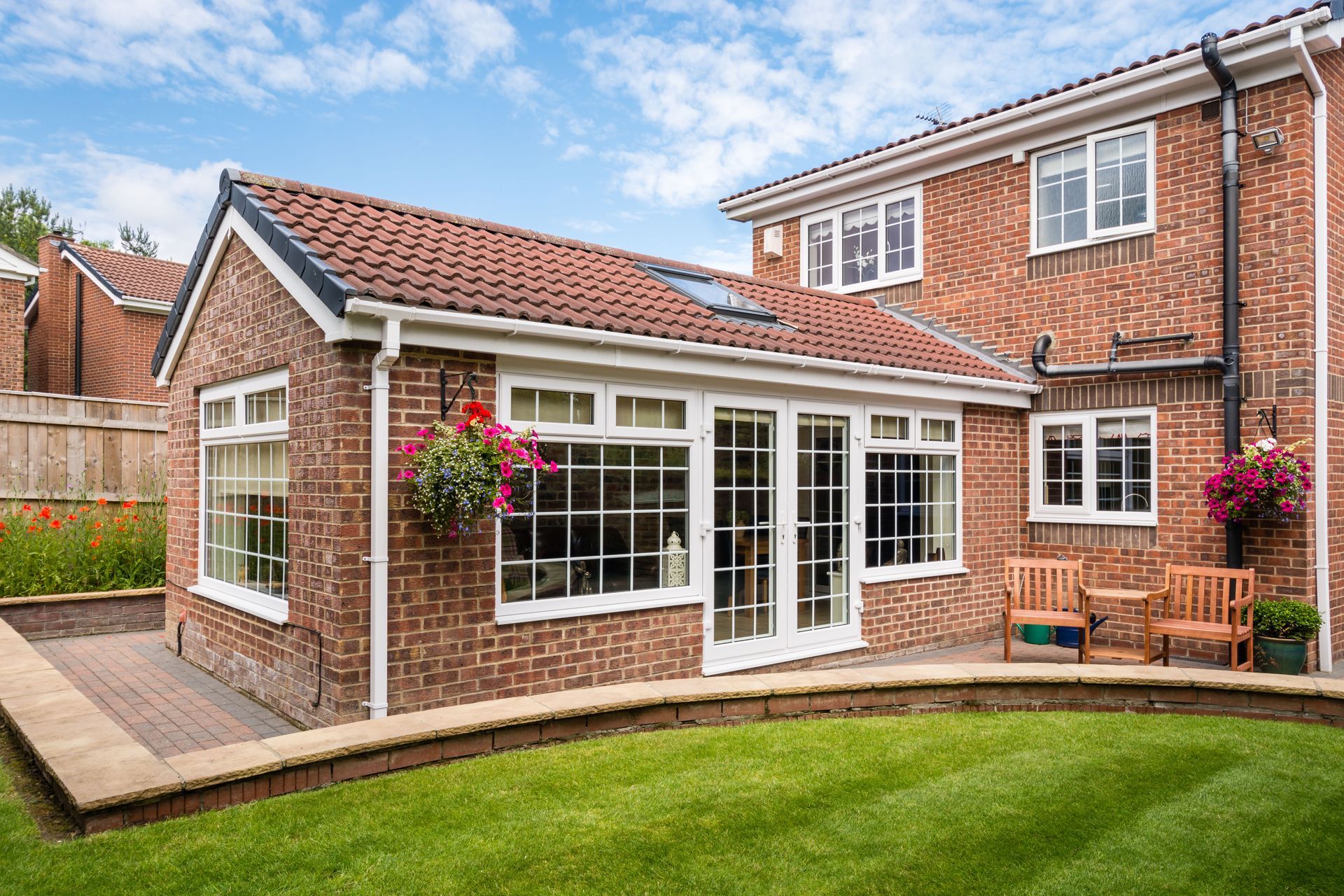
A well-planned sunroom can complement a home's existing architecture while adding visual interest. Window styles, rooflines, exterior finishes, and interior materials can be selected to coordinate with the property rather than making the new space look disconnected.
Homeowners may choose traditional designs with classic framing or more contemporary layouts with clean lines and expansive glass. The best approach depends on the house's architectural style, the surrounding landscape, and the homeowner's preferences.
Sunroom additions can also create a natural transition between interior rooms and outdoor living areas. When the new space connects conveniently to a kitchen, living room, or patio, it may improve the flow of everyday activities. Matching flooring tones, trim, and finishes can further help the addition feel integrated with the rest of the home.
Although a sunroom may enhance a property's appeal, its effect on resale value is not guaranteed. Construction quality, local buyer preferences, usable space, and overall design all influence how a future buyer may view the addition. Homeowners should prioritize functionality and long-term enjoyment rather than assuming the project will produce a specific financial return.
Managing Sunlight, Temperature, and Energy Use
Sunlight is one of a sunroom's main advantages, but extensive glazing can also create challenges. Rooms with large glass areas may become uncomfortably warm during sunny weather or lose heat during colder months if they are not designed appropriately.
According to the Department of Energy, heat transfer through windows accounts for approximately 25% to 30% of the energy used for residential heating and cooling. This makes window selection an important consideration for sunrooms, where extensive glazing can influence indoor comfort and household energy costs.
Several design decisions can help manage these effects:
- Selecting Suitable Glazing: Energy-efficient windows can help limit unwanted heat transfer.
- Adding Shading: Blinds, shades, or other suitable coverings can reduce direct sunlight and glare.
- Planning Ventilation: Operable windows can support airflow when outdoor conditions are appropriate.
- Considering Insulation: Suitable insulation in the roof, floor, and other enclosed areas can improve temperature control.
- Evaluating Climate Control: Depending on the design, additional heating or cooling may be needed for year-round use.
The right choices depend on the local climate, the room's orientation, and whether the sunroom is intended for seasonal or year-round occupancy. Discussing these factors during the planning stage can help homeowners avoid comfort issues after construction.
Choosing a Design That Fits Your Lifestyle
The popularity of sunrooms also comes from the range of available design options. Some homeowners prefer a simple space for enjoying daylight during mild weather, while others want an enclosed room that remains comfortable through multiple seasons. Establishing these priorities early helps guide decisions about materials, windows, insulation, and climate control. Thoughtfully planned sunroom additions can provide a comfortable environment that suits a household's daily routines and long-term goals.
Budget is another important consideration. Project costs can vary according to the room's size, foundation requirements, structural connections, glazing, finishes, and site conditions. Homeowners should also account for permits, applicable building codes, and any modifications needed to connect the addition to the existing house.
It is useful to consider long-term maintenance as well. Window cleaning, seal inspections, and attention to drainage can help preserve the enclosure's appearance and performance. Choosing durable materials and appropriate construction methods may reduce future upkeep and help the room remain functional over time.
Working with an experienced sunroom professional can help homeowners evaluate their property, explore suitable layouts, and understand the requirements of the project. A well-planned design balances appearance, practical use, comfort, and budget.
Making Your Home More Enjoyable With a Sunroom
Sunrooms remain popular because they combine natural light, outdoor views, and flexible living space in one appealing addition. With thoughtful design, homeowners can create a comfortable area for relaxing, entertaining, working, or enjoying the changing seasons. Carefully planned sunroom additions can provide lasting functionality while enhancing the home's overall appeal.
Attention to glazing, temperature control, layout, and construction quality also helps ensure the new space meets household needs.
For help planning sunroom additions that complement your home and lifestyle, contact The Plantation Room Company to explore your options and discuss your project.