November 9, 2026
Outdoor living spaces have become an important part of modern home design. Homeowners increasingly look for ways to enjoy fresh air, spend time with family, and entertain guests without sacrificing indoor comforts. A screened in patio offers a practical way to accomplish these goals by creating a sheltered outdoor area for several activities. From improving everyday comfort to adding visual appeal, these structures offer benefits that make them an appealing home improvement project.
The growing interest in outdoor renovations reflects this shift in homeowner priorities. According to Houzz, 14% of homeowners renovating outdoor structures included screened-in porches, representing a 2-percentage-point increase from the previous study. This growing interest highlights how homeowners are finding new ways to make outdoor areas more functional and enjoyable.
Improving Comfort and Everyday Usability
Expanding Available Living Space
One advantage of adding a screened patio is the opportunity to expand a home's usable living area without undertaking a major interior renovation. These structures create additional space for dining, relaxation, hobbies, or casual gatherings. Homeowners can arrange the area to complement their routines while maintaining convenient access to the rest of the house.
A screened in patio also provides an alternative to traditional home additions for households seeking more room for leisure rather than enclosed interior space. With appropriate furniture and thoughtful planning, the area can become a natural extension of the home's living environment.
Creating Protection From Insects
Insects can make spending time outdoors frustrating, especially during warmer months. Mosquitoes, flies, and other pests frequently interrupt meals and relaxation. Screens create a physical barrier that limits their access while allowing homeowners to enjoy the surrounding environment.
This protection makes outdoor activities more comfortable for families and guests. Whether someone wants to enjoy breakfast outside or spend an evening reading, a screened patio provides a more pleasant setting.
Managing Sunlight and Airflow
Outdoor comfort depends heavily on sunlight, ventilation, and temperature. Screened structures allow natural air circulation while providing some protection from direct sunlight. This combination can make the space more comfortable during warm weather than an uncovered patio.
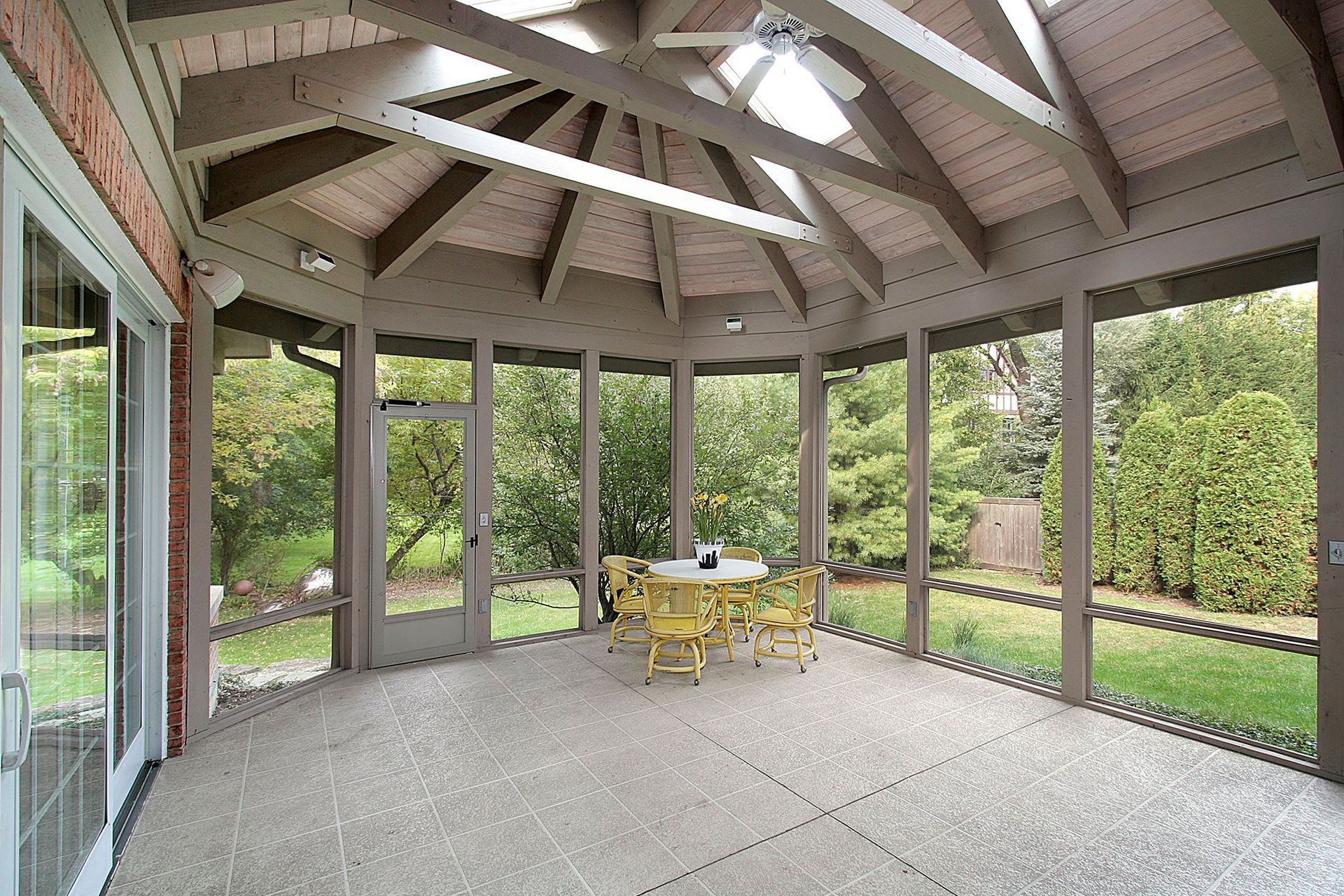
Homeowners can also incorporate ceiling fans, outdoor curtains, or portable heating equipment depending on the layout and climate. These additions provide flexibility as temperatures change throughout the year.
Enhancing Outdoor Design and Functionality
Complementing Existing Architecture
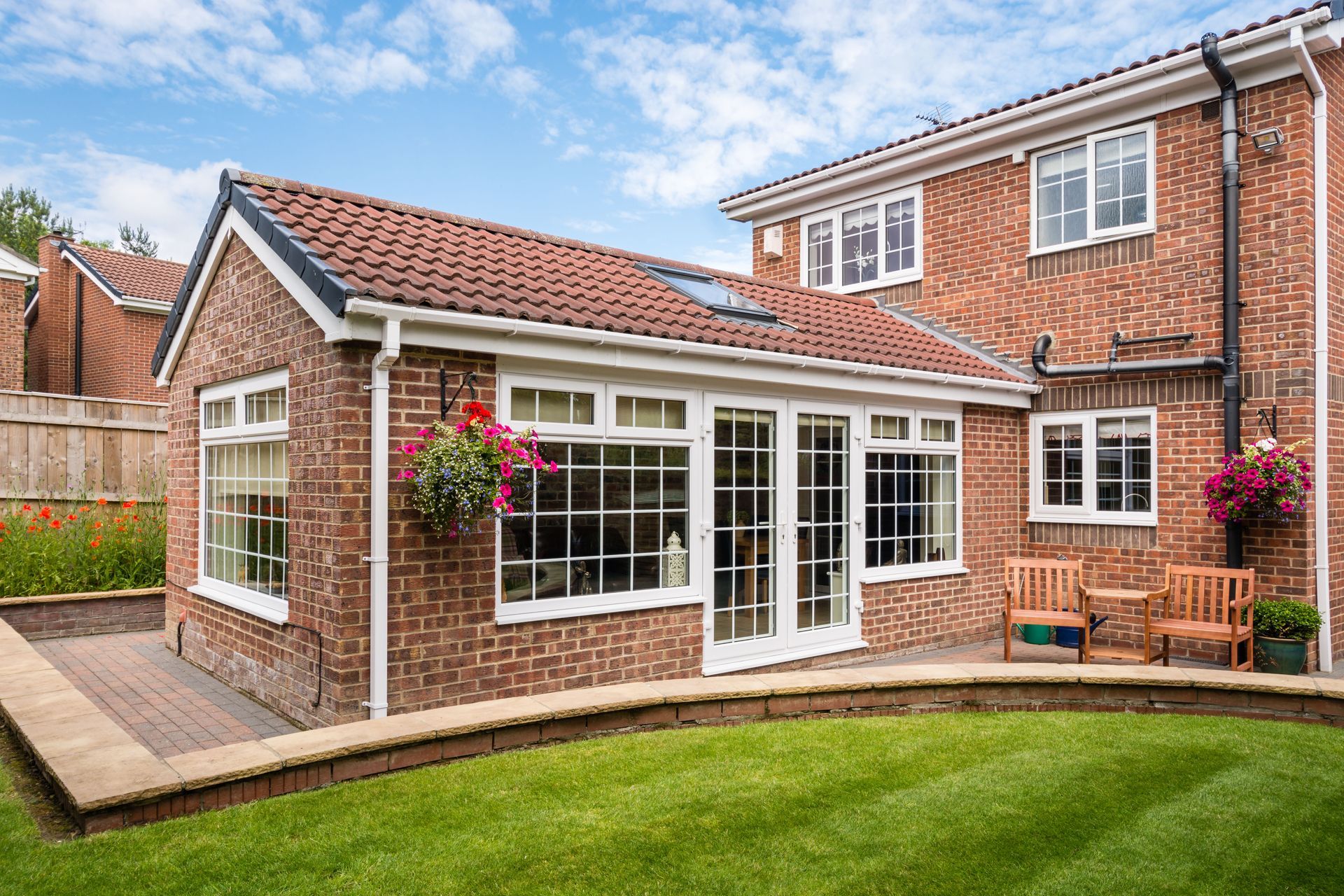
A well-planned screened in patio should complement the home's existing architectural features. Matching rooflines, exterior finishes, colors, and structural materials can create a cohesive appearance. The relationship between the house and the new outdoor structure is important when determining its placement and dimensions.
Homeowners should consider how the addition will look from both inside and outside the property. Window placement, entryways, and surrounding landscaping can all influence the finished appearance.
Personalizing the Interior Space
Customization gives homeowners considerable freedom when planning an outdoor living area. Furniture, lighting, flooring, and decorative accents can reflect individual preferences while supporting the intended use of the space. Households that frequently entertain might prioritize dining furniture, while those seeking a quiet retreat may prefer lounge chairs and softer lighting.
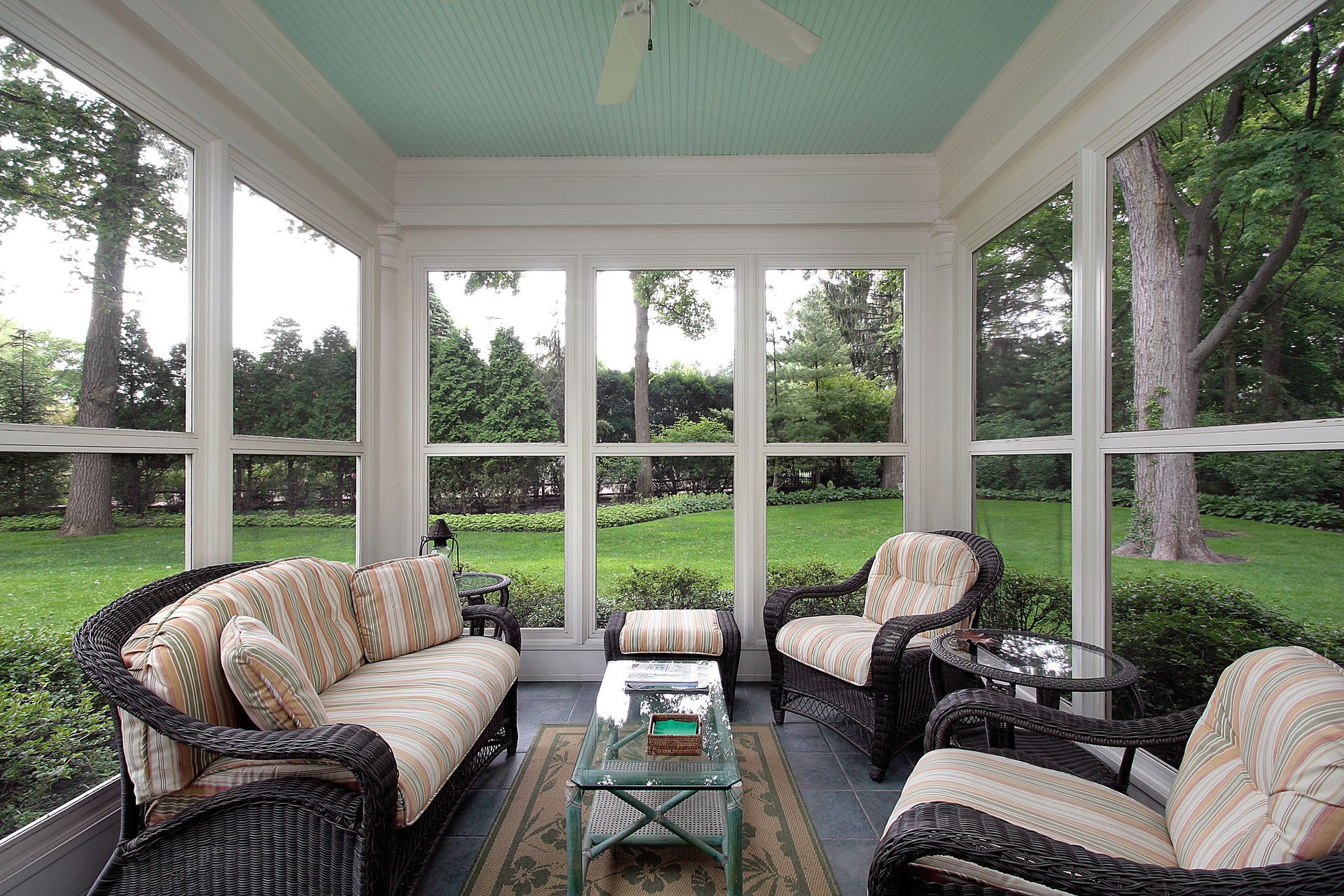
Decorative elements can also establish a welcoming atmosphere. Outdoor rugs, weather-resistant cushions, potted plants, and string lights are popular additions. Choosing furnishings designed for outdoor conditions can help limit damage from humidity and moisture.
Supporting Multiple Activities
Versatility is another reason homeowners consider screened outdoor structures. The same area can accommodate morning coffee, afternoon reading, family meals, or gatherings with friends. Some households may even use the space for hobbies or remote work.
Planning the layout around these activities can make the area more practical. Adequate walking space, accessible electrical outlets, and appropriate lighting are worth considering during the design process.
Supporting Health and Outdoor Enjoyment
Encouraging Time Outside
Spending time outdoors provides opportunities to step away from indoor routines and enjoy a different environment. A screened in patio makes this transition easier by offering a comfortable place to sit, read, eat, or socialize. Having an accessible outdoor area may encourage household members to spend more free time outside.
Fresh air and exposure to natural surroundings can also contribute to a relaxing daily routine. Homeowners may find the space useful for quiet activities or simply taking a break from household responsibilities.
Making Room for Natural Light
Natural light is an important consideration in residential design. Screened outdoor spaces allow daylight to enter while maintaining some separation from the surrounding environment. This creates a bright, inviting atmosphere that differs from more enclosed interior rooms.
Depending on the structure's orientation and screen materials, sunlight may vary throughout the day. Homeowners can consider furniture placement and additional shade features when planning the layout.
Creating a Relaxing Environment
A dedicated outdoor retreat can provide a convenient setting for relaxation. Comfortable seating, greenery, and decorative lighting help create an atmosphere suited to unwinding after a busy day. Some homeowners may also incorporate small water features, outdoor speakers, or reading areas.
Plants introduce natural color and texture. Herbs, flowers, and container gardens bring greenery into the space without requiring extensive landscaping. These features connect the patio with the surrounding yard while providing opportunities for gardening.
Increasing Property Appeal and Long-Term Value
Appealing to Potential Buyers
Outdoor living areas can influence how prospective buyers view a property. A screened outdoor structure provides additional room for relaxation and entertaining, which may appeal to people who value flexible living arrangements. In regions where outdoor activities are popular, this feature can make a home more attractive.
A screened in patio also helps prospective buyers visualize how they might use the property's outdoor space. Instead of imagining improvements to an uncovered patio, they can see an established area with a defined purpose.
Considering Maintenance and Durability
Like other home additions, screened structures require occasional maintenance. Screens may need cleaning or replacement, while framing, roofing, and flooring should be inspected for signs of wear. Maintenance requirements depend on the materials, construction, and local weather conditions.
Selecting durable materials during the planning stage can influence long-term upkeep. Homeowners should consider how framing materials, screen types, and finishes respond to moisture, sunlight, and temperature changes. Regular cleaning and attention to minor damage can help preserve the structure.
Making Thoughtful Design Investments
The cost of an outdoor renovation depends on its dimensions, materials, structural requirements, and optional features. Roofing, flooring, electrical work, and access points can all influence the project budget. Establishing priorities early helps homeowners determine which features matter most.
Although a screened addition may contribute to property appeal, financial returns vary depending on local real estate conditions and buyer preferences. Homeowners should consider both potential resale benefits and everyday enjoyment when evaluating the investment of a screened in patio.
Planning a Screened Outdoor Living Addition
Evaluating Space and Placement
Before beginning construction, homeowners should evaluate the available outdoor area and determine how the addition will connect to the house. Yard dimensions, landscaping, drainage, and access to entryways can influence the design. Local building codes and permit requirements should also be considered before construction begins.
Selecting Materials and Features
Material selection plays an important role in the appearance, durability, and maintenance requirements of an outdoor structure. Homeowners can compare framing options, screen materials, roofing styles, and flooring finishes based on their property's conditions and design preferences. Additional features such as lighting, fans, and weather-resistant furnishings can be incorporated according to the intended use of the area.
For homeowners considering a screened in patio, working with an established outdoor living company can help simplify decisions about layout, materials, and construction. Discussing the property's existing features and household priorities provides a useful starting point for developing a suitable design.
The Plantation Room Company can help homeowners explore options for creating an outdoor living area that complements their property and lifestyle. Contact the company to discuss ideas for a new screened patio and begin planning an outdoor space that fits the household's needs.